I've worked across the stack—from frontend development to backend engineering—and I'm now transitioning into DevOps and platform engineering. At Bitmosys, I architected a high-availability ERP infrastructure with Linkerd service mesh and self-managed observability. Currently at Ascend Cloud Services, I'm deploying Kubernetes clusters on AWS and Azure, implementing Databricks for data pipelines, and automating infrastructure with IaC and CI/CD. I work with NixOS for reproducible systems and I'm studying for the Azure System Administrator exam.
When I'm not coding, I enjoy collecting books, catching up on my favorite TV series, and hunting for the best coffee in town.
Experience
2025 — Present
DevOps Engineer · Ascend Cloud Services
Leveraging expertise in AWS, Azure, and Kubernetes to build and maintain scalable cloud solutions. Focusing on data platform optimization with Databricks.
2024
Backend Developer · Bitmosys
Led the design and deployment of a high-availability ERP infrastructure, including a self-managed observability stack (Loki, Grafana, Prometheus), a replicated Postgres cluster, and an Nginx API gateway. Implemented a Linkerd service mesh for enhanced security and monitoring.
2023 — 2024
Fullstack Developer · Cango
Developed a reusable component library and built dynamic, permission-based dashboards for a political survey platform. Created interactive data visualizations with Apache ECharts and refactored the legacy codebase to TypeScript, optimizing state management with React Query.
2022 — 2023
Frontend Developer · Matrice AI
Developed and deployed the backend for an image annotation platform on AWS. Optimized a high-traffic landing page using Next.js, refactored the data annotation dashboard to align with new UI designs.
Writing
Projects

Linite
A Ninite-style bulk package installer for Linux distributions.
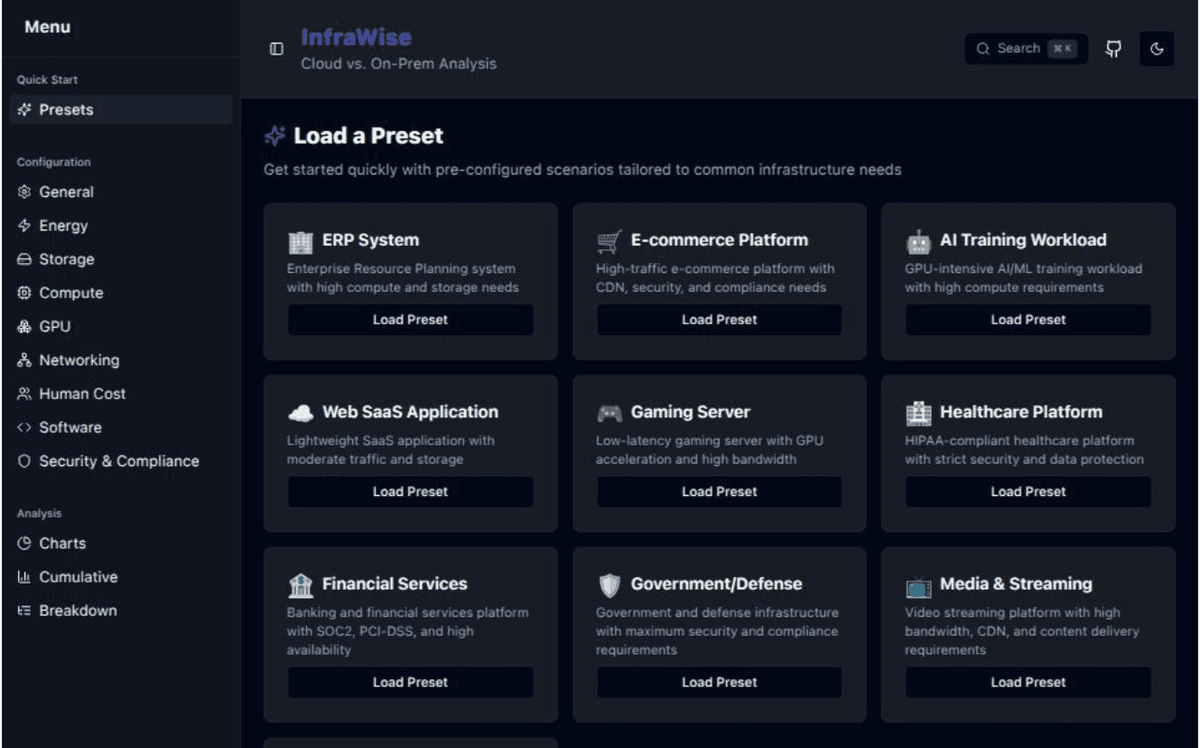
InfraWise
A financial modeling tool for comparing Total Cost of Ownership (TCO) between cloud and on-premise infrastructure solutions. Make informed infrastructure decisions with detailed cost breakdowns and breakeven analysis.
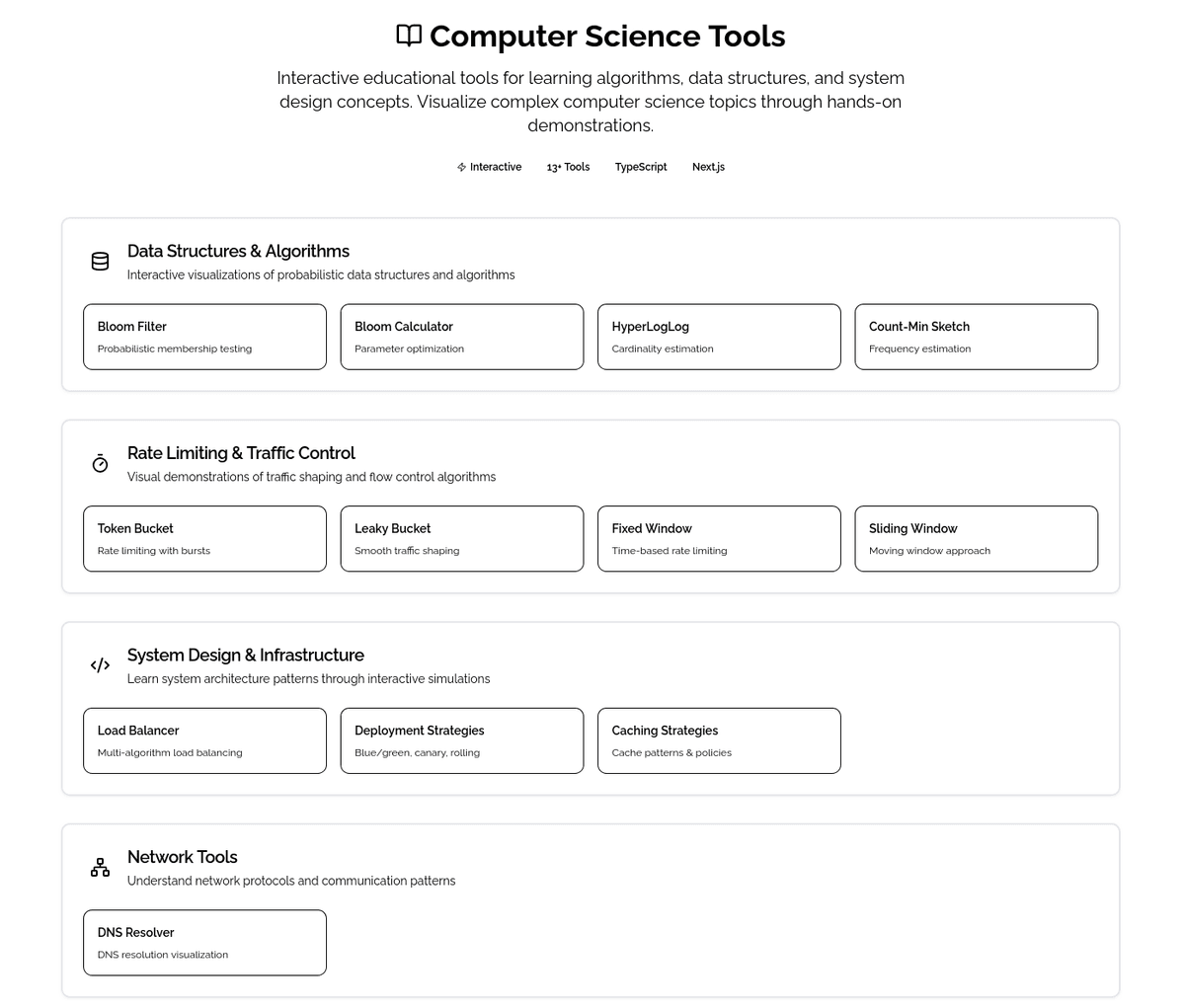
Tools
A comprehensive collection of interactive educational tools for learning computer science algorithms, data structures, and system design concepts.
Reading List

Team Topologies: Organizing Business and Technology Teams for Fast Flow
Matthew Skelton, Manuel Pais
Effective software teams are essential for any organization to deliver value continuously and sustainably. Provides practical, step-by-step guidance for designing organization structures and interaction patterns to maximize team effectiveness and flow.

Software Engineering at Google
Titus Winters, Tom Manshreck, Hyrum Wright
Learn how Google builds software at scale with insights into their engineering culture, practices, and tools. Covers code review, testing, dependency management, large-scale changes, and building sustainable software engineering organizations.

Designing Data-Intensive Applications
Martin Kleppmann
The definitive guide to understanding the fundamental principles behind modern data systems. Covers distributed systems, data models, storage engines, replication, partitioning, transactions, and consistency models. Essential reading for anyone building reliable, scalable, and maintainable applications.
Certifications
2020-06-01
Deep Learning Specialization
DeepLearning.AI
2020-06-01
AWS Fundamentals Specialization
Amazon Web Services